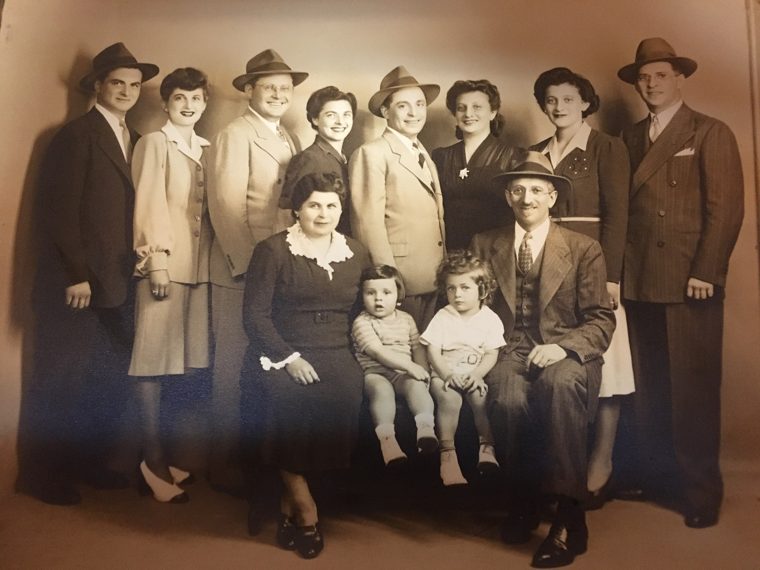
The Brecher Family
A family history in records, photographs and memory
Felsőbánya · Kapnik · Sighet · Rădăuți · Siret · Chyrów · Dobromil · Berlin · the Bronx · Monsey
Open the full bookRead chapter by chapterResearch roomDedication
For the children, grandchildren and great-grandchildren of Alex (Shimshon) and Anne (Chana Pessel) Brecher — and in memory of those whose names are kept in these pages.
Contents
Table of Contents
- IThe Family at the CentreAlex and Anne Brecher and their four childrenChapter
- IIDavid & Esther BrecherFelsőbánya and the BronxChapter
- IIIMeir Brecher & Freide FrohnerKapnikbánya, Nagybánya and SighetChapter
- IVThe Older Brechers in BukovinaEisig Brecher of Rădăuți and the Kohanim of SiretChapter
- VWahrsager & UngerChyrów, Dobromil, Berlin and the BronxChapter
- VIResting PlacesBeth Moses, Beth David, Lakeside Memorial Park and Har HaMenuchotChapter
- VIIRemembranceConfirmed victims, survivors, unresolvedChapter
- Annotated PhotographsWho is who in the group photographs
- Sources and BibliographyArchives, books and collections
- Index of NamesEveryone in the record, by surname
Family trees
Printable book
This book gathers the records and photographs of the family of Alex (Shimshon) Brecher and Anne (Chana Pessel) Brecher née Wahrsager: their parents David and Esther Brecher of Felsőbánya and Elias and Malka Wahrsager of Chyrów and Dobromil, and the generations before them in Kapnik, Sighet, Rădăuți and Siret.
Each document is reproduced as it was found — civil registers, ship manifests, naturalization papers, census pages, newspaper notices, printed books and gravestones — with a short caption and a line naming its source. Names are given in the form each record uses, with the familiar form beside it. Where two records give different dates for the same event, both are shown side by side and neither is preferred; these are collected in the table Dates the Records Disagree On.